Real-Time Light Sensing in Virtual Reality
A real-time framework for evaluating visual exposure in VR scenes.
Summary
This project explores a real-time framework for estimating how a virtual-reality scene may be experienced beyond the rendered RGB image alone. The aim is to support fast visual evaluation in VR environments, where the image shown to a viewer and the light exposure experienced by the visual system are related but not identical questions.
Motivation
Many VR workflows optimize what a scene looks like on screen, but some applications also need to reason about the light arriving at the eye. A real-time estimate is useful when designers want to compare scenes, tune lighting, or evaluate visual exposure without leaving the interactive environment.
Approach
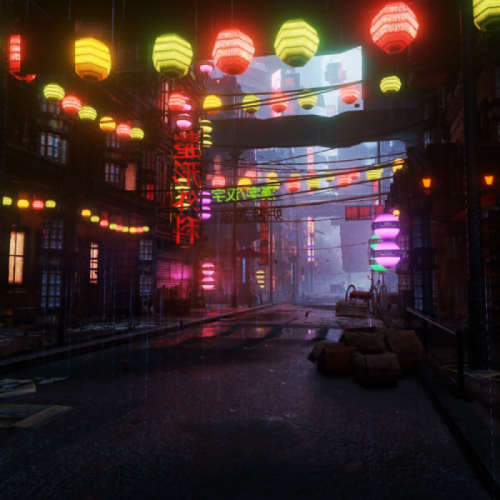
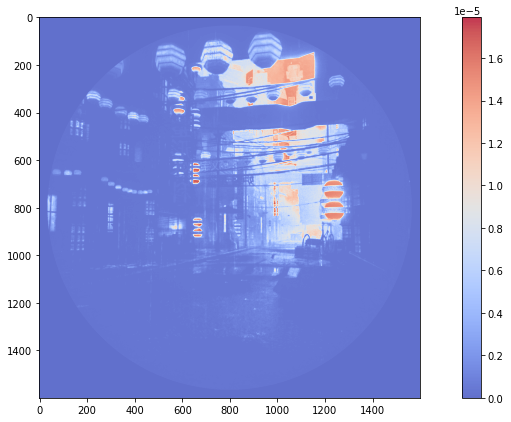
The framework takes a rendered benchmark scene as input and produces a processed representation intended for visual evaluation. The two images below show the difference between the original scene and the derived output used by the pipeline.
Display
Takeaway
The project demonstrates a practical bridge between interactive VR rendering and real-time analysis. Instead of treating perception as an afterthought, the workflow keeps the evaluation loop close to the scene-design loop.